Wetland Backgrounds: Nature-Inspired Textures for Modern Design
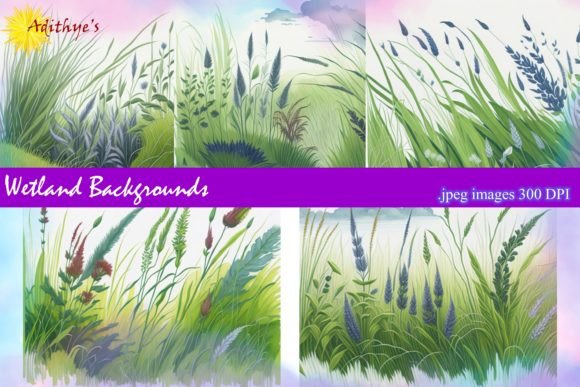
Capturing the quiet, organic beauty of a marsh or swamp in a digital project is often harder than it looks. That’s where a well-curated set of Wetland Backgrounds comes in. This collection isn't just a folder of pretty pictures; it’s a versatile toolkit for creators who need to inject a sense of natural depth, tranquility, or rugged texture into their work. The product itself is straightforward: one Zip folder containing five high-resolution JPEG images. Each file varies in size but stays well above 4000 pixels, ensuring crisp output even for large-format printing. With a standard 300 DPI, these assets are ready for professional use right out of the box.
Visual Character and Practical Appeal
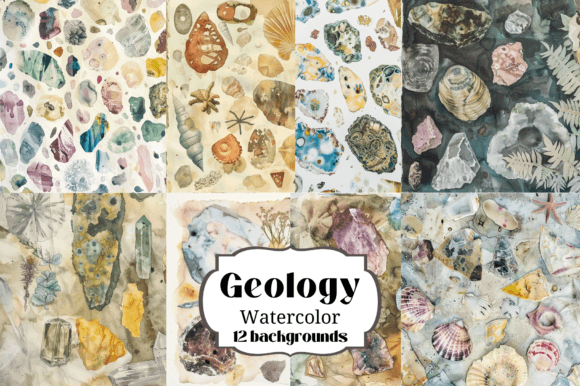
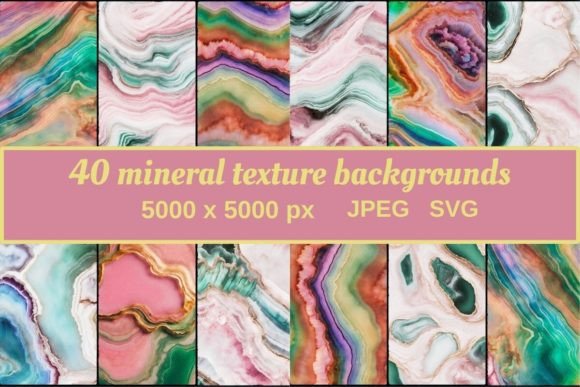
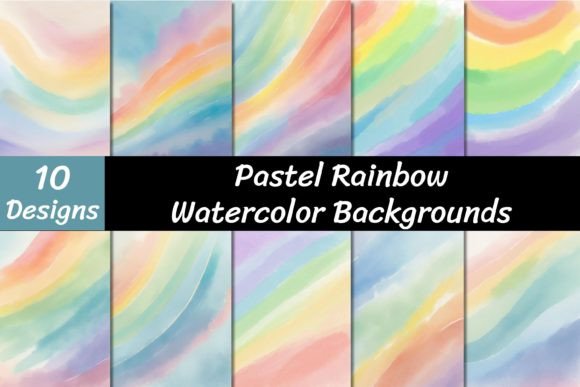
The core appeal of these Wetland Backgrounds lies in their texture and mood. They evoke the misty, layered landscapes of coastal marshes, dense reed beds, or serene boglands. You might find one image dominated by the soft, feathery textures of pampas grass against a misty sky, while another could focus on the intricate, overlapping patterns of lily pads on dark, still water. This isn't the bright, saturated look of a tropical beach; it's a more subdued, sophisticated aesthetic. The color palettes naturally lean into earthy greens, misty grays, deep browns, and the occasional muted blue or ochre. This makes them incredibly useful as a design asset that can complement a wide range of color schemes without overwhelming them.
From a brand identity perspective, using a background like this communicates specific values. It suggests authenticity, a connection to the natural world, calmness, or even a sense of mystery and depth. For a logo design or packaging design for an eco-friendly product, a sustainable brand, or a wellness service, a subtle wetland texture can ground the design in a powerful, organic narrative. It’s a visual shorthand for "natural" and "thoughtful."
Where These Backgrounds Excel
Thinking practically about application is key. The high resolution and 300 DPI of these Wetland Backgrounds make them suitable for projects where quality cannot be compromised. Let's break down their real-world utility.
For Print and Physical Products
This is where the collection truly shines. The file sizes are perfect for POD (Print-on-Demand) products and commercial printing. Imagine these textures behind:
- Greeting Cards and Invitations: A wetland background can create a stunning, immersive backdrop for a wedding invitation with a rustic or nature theme, or for a thoughtful sympathy card. The texture adds a layer of tactile interest that plain paper lacks.
- Scrapbooking and Crafts: Digital scrapbookers will find these perfect for creating themed layouts, especially for outdoor, travel, or nature-journal pages. They can also be printed on specialty paper for physical craft projects.
- Notebook and Journal Covers: A beautifully composed wetland scene can make a notebook cover stand out, appealing to writers, artists, and anyone who appreciates nature-inspired stationery.
- T-Shirt Design: While you wouldn't use the entire photo as a shirt print, these backgrounds are excellent for creating textured overlays, distressed effects, or as a base for a typographic or illustrative design. The organic lines and shapes can add a unique, handcrafted feel.
Digital and Brand Applications
In the digital realm, the versatility continues. A content creator or blogger can use a muted version of a wetland background behind text on a website or as a subtle header image to establish a specific mood without distracting from the content. For social media graphics, these images provide a cohesive and professional backdrop for quotes, announcements, or product features, helping to build a recognizable visual style.
In editorial design for digital magazines or PDFs, a wetland texture can serve as a sophisticated page background or a chapter divider. For a marketer creating a presentation or a webinar slide deck, using such a background can elevate the perceived quality and seriousness of the material, moving beyond generic corporate templates.
Integrating Texture with Modern Typography
The real magic happens when you pair these Wetland Backgrounds with the right typeface. This is where a designer's skill comes into play. The goal is to create harmony between the organic, irregular texture of the background and the structured forms of the text.
A strong, clean sans serif font often works beautifully, providing a clear, legible counterpoint to the detailed background. Think of a bold, geometric sans serif for a headline, placed over a softer, misty wetland scene. The contrast is modern and striking. Alternatively, a classic serif font can reinforce a sense of tradition and elegance, perfect for a literary journal or a high-end brand with nature roots.
You can also experiment with script fonts or handwritten fonts, but with caution. These work best when used sparingly for accents or logos, not for body text, as readability over a textured background can be a challenge. The key is to test your font pairing thoroughly. Place your chosen premium font over the background at the actual size it will be used. Check for contrast, clarity, and overall aesthetic cohesion. Does the text remain the clear focal point? Does the background enhance or fight with the message?
Ultimately, this set of five images is more than just a decorative element. It's a practical design asset for solving specific creative problems—adding depth, establishing mood, and connecting a project to the natural world in a credible, visually compelling way. The value lies in its professional specs and the genuine, versatile aesthetic it offers to a wide range of creative and commercial projects.