Unleash Authentic Character with Distressed Leather Backgrounds
In the digital age, where everything can feel polished to a sterile perfection, there is a growing hunger for designs that feel real, tactile, and steeped in history. You can have the most elegant serif font or the most modern sans serif font, but if the canvas beneath it feels flat, your message loses its weight. This is where the texture becomes the protagonist. We are talking about the raw, unbridled beauty of Old Rough Distressed Leather Backgrounds. These are not just static images; they are digital artifacts that mimic the wear and tear of time, offering a rugged sophistication that synthetic textures simply cannot replicate. When you incorporate these backgrounds into your workflow, you are essentially adding a layer of tangible history to your modern creations.
The Anatomy of Grit and Elegance
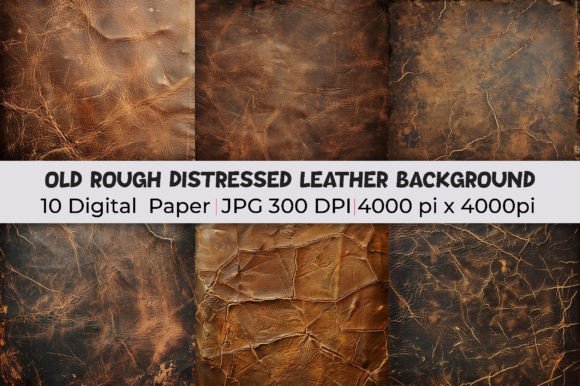
What exactly defines the visual personality of these assets? Imagine the surface of a well-loved vintage briefcase or the cover of an antique journal. You see the deep creases, the uneven patina, and the subtle variations in color that come from years of handling. Old Rough Distressed Leather Backgrounds capture this essence perfectly. They feature intricate details—cracks, scuffs, and natural grain patterns—that add immediate depth and complexity to any project. The visual style is inherently warm and organic, bridging the gap between luxury and ruggedness. Unlike a flat color fill, which can feel lifeless, these textures provide a dynamic backdrop that interacts with your light and shadow, creating a 3D effect even on a 2D screen.
The appeal lies in the "imperfections." In a world of vector-perfect logo design, introducing a rough, organic element creates a striking contrast. It suggests durability, authenticity, and a brand that isn't afraid to show its character. Whether you are working on a premium font presentation or a rustic wedding invitation, the texture sets the mood instantly. It whispers a story of craftsmanship before the viewer has even read a single word of your editorial design or packaging design.
Strategic Applications for Modern Creators
Understanding the aesthetic is one thing; knowing where to deploy it is where strategy comes in. These backgrounds are incredibly versatile design assets, fitting seamlessly into a variety of contexts for web design, print, and digital media.
- Brand Identity and Logo Design: For brands that want to project an image of heritage, durability, or artisanal quality, these textures are invaluable. Think of a coffee roaster, a bespoke tailor, or a men’s grooming line. Using a distressed leather texture as a background for your logo mockups helps visualize how the brand lives in the real world. It adds a tactile quality to your brand identity presentations that clients love.
- Social Media Graphics: The scroll is relentless. To stop the thumb, you need visual intrigue. A gritty leather texture serves as a fantastic base for quotes, announcements, or promotional posts. It adds a layer of professionalism that generic stock photos lack. When paired with a bold display font or a flowing script font, the contrast between the rough background and the clean typography creates a visual hierarchy that is impossible to ignore.
- Packaging and Product Design: If you are designing labels for whiskey, hot sauce, or luxury goods, the "Old Rough Distressed Leather" vibe communicates quality. It suggests that the product inside is crafted with care. Even in digital packaging mockups, using these high-resolution textures elevates the perceived value of the product.
- Web and App UI: While minimalism is popular, using texture in specific UI elements—like hero sections, footers, or sidebar widgets—can add warmth to a digital experience. It prevents a website from feeling too cold or clinical, making the user feel more at home.
Mastering the Mix: Typography and Texture
A background is only as good as the content that sits on top of it. When working with Old Rough Distressed Leather Backgrounds, your choice of typography becomes critical. The goal is to ensure readability while maintaining the aesthetic integrity of the design.
Because the background is "busy" with texture and detail, you generally want to pair it with typefaces that are clean and legible. A heavy, distressed handwritten font might get lost in the leather grain, creating a visual mess. Instead, consider using a sturdy serif font for headlines to complement the traditional feel of the leather, or a clean, geometric sans serif font for a modern contrast. This juxtaposition of old-world texture and modern typography is a hallmark of sophisticated modern typography.
When evaluating project fit, always test your font pairing against the specific texture you choose. Some leather textures are dark and moody; others are lighter and sun-bleached. Ensure there is enough contrast between your text color and the background value. If the leather is too dark and your text is black, the message disappears. Often, adding a subtle drop shadow or a semi-transparent overlay can help your creative font choices pop without obscuring the beautiful background details.
Practical Guidance for Integration
To get the most out of this collection, you need to treat these assets as professional tools. The provided collection offers 10 high-quality JPG images at a massive 4000x4000 pixel resolution. This size is crucial. It means you can use these textures for large-format printing—such as banners or posters—without worrying about pixelation or loss of quality.
Here is how to integrate them effectively:
- Evaluate the Grain: Look at the specific "roughness" of each image. Some designs call for a subtle grain, while others—like grunge or vintage projects—thrive on heavy cracks and scratches. Match the intensity of the texture to the tone of your project.
- Color Grading: While the collection includes vibrant hues and distinct styles, don't be afraid to color-grade the backgrounds in Photoshop or Illustrator to match your specific brand palette. A quick adjustment of the Hue/Saturation can turn a brown leather into a deep oxblood or a weathered grey to suit your brand identity.
- Commercial Viability: Always be mindful of how you use commercial font and texture assets. These backgrounds are designed for both personal and commercial use, making them safe for client work, merchandise, and digital products.
Ultimately, design is about storytelling. Old Rough Distressed Leather Backgrounds tell a story of endurance, style, and authenticity. By incorporating these high-resolution textures into your toolkit, you move beyond flat, two-dimensional design and create immersive experiences that resonate with your audience. Whether you are crafting a luxury alcohol ink