Deep Brown Grunge Texture Backgrounds: A Designer's Toolkit for Authenticity
There’s a specific kind of depth you get from a well-worn surface that digital perfection often misses. It’s the subtle history embedded in a crack, the warmth of a faded patina, the quiet authority of a dark, textured space. This is the character we’ve sought to capture in the Deep Brown Grunge Texture Backgrounds collection. It’s more than just a set of files; it’s a foundation for adding narrative and tactile quality to your work, moving beyond flat, sterile surfaces into something with a heartbeat.
The Visual Language of Deep Brown Grunge
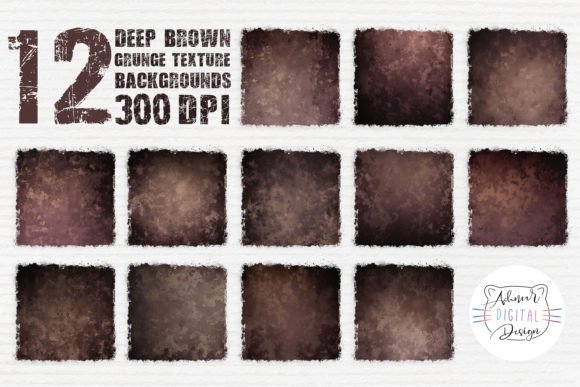
Let's talk about what you're actually getting. These aren't just random noise patterns. Each of the twelve JPEGs is a high-resolution (300 DPI) canvas built from layers of subtle visual information. Think of the rich, earthy tones of aged leather, the shadowed grain of weathered wood, or the complex surface of antique paper that has absorbed decades of ambient light. The "grunge" element isn't chaotic; it's curated. It manifests as gentle abrasions, soft ink bleeds, or the faintest hint of distressed overlay, all within a controlled, deep brown palette. The personality is one of understated sophistication—it’s rugged but not rough, vintage but not dated. It speaks to craftsmanship, heritage, and a sense of grounded reality.
This style has a unique appeal because it bypasses the need for complex effects in your design software. You’re starting with a base that already has visual weight and interest. For a graphic designer building a brand identity, this texture can instantly communicate authenticity. For a photographer, it can serve as a moody, unifying backdrop that makes portrait or product shots pop with contrast. It’s a design asset that does a lot of heavy lifting for you.
Where These Textures Shine: From Screen to Print
The true value of any design asset is its versatility. These Deep Brown Grunge Texture Backgrounds are built to be workhorses across a staggering number of applications. Their utility isn't confined to one niche; it's about solving common creative problems with style.
- Digital & Web Design: Use them as full website backgrounds for sites aiming for a rustic, artisanal, or vintage feel. They’re perfect for creating hero sections that demand attention or for adding texture to sidebars and footer areas. They also excel as backgrounds for social media graphics, making quotes, announcements, and promotional posts feel more substantial and less generic.
- Branding & Marketing: Incorporate these textures into logo design presentations to show how an identity lives in the real world. They are exceptional for packaging design, especially for products like craft coffee, whiskey, artisanal goods, or heritage brands where conveying tradition and quality is paramount. Use them in brochure layouts or as the backdrop for impactful typography in advertising materials.
- Creative & Editorial Work: For illustrators and digital artists, these are layered foundations. Paint over them, use them as blending modes, or let them peek through your composition to add depth. In editorial design, they can set the tone for magazine covers, chapter title pages, or author branding in book layouts. Photographers will find them invaluable for creating composite images, vintage photo effects, or as textured borders for print portfolios.
- Personal & Hobbyist Projects: The applications extend beautifully into the personal realm. Use them for scrapbooking digital layouts, creating unique invitations or greeting cards, designing custom desktop or phone wallpapers, or adding a professional touch to a personal blog.
Strategic Application: Influence and Impact
Choosing the right background is a strategic decision that influences how your audience perceives your message. A Deep Brown Grunge Texture Background isn't just decorative; it’s communicative.
Visual Hierarchy and Readability: The deep, muted nature of these textures makes them excellent for creating contrast. Place bold, light-colored sans serif font headlines or clean serif font body text over them, and the content will leap forward. The key is to ensure sufficient contrast—test your text color choices against the specific texture you select. The grunge elements should enhance, not compete with, your message. Often, a slight reduction in the texture's opacity or applying a subtle dark vignette can help text remain perfectly legible.
Brand Perception and Recognition: Consistency builds trust. Using a cohesive set of textures across your website, social media graphics, and print materials creates a recognizable, professional aesthetic. The deep brown grunge style specifically can position a brand as authentic, reliable, knowledgeable, and connected to craftsmanship. It moves a brand away from the fleeting trends of modern typography and towards something more timeless.
Practical Guidance for Integration:
- Evaluate the Fit: Before applying, ask if the texture's personality aligns with your project's voice. Is your message serious, nostalgic, or earthy? Or is it sleek, futuristic, and minimal? This texture is a powerful tool for the former.
- Test Font Pairings: These backgrounds often pair best with fonts that have their own clear character. A strong, geometric sans serif font can provide a clean counterpoint. A classic serif font can lean into the heritage feel. Even a legible script font can work for accents, but avoid overly delicate or thin typefaces that might get lost.
- Leverage the File Format: As high-resolution JPEGs, they are ready for most print and digital workflows. For digital use, you can optimize the file size without significant quality loss. For print, the 300 DPI resolution ensures crisp, professional results even at larger scales.
- Think in Layers: Don't just drop a texture in and call it done. Experiment with layer blending modes in Photoshop (like Multiply, Overlay, or Soft Light) to integrate elements more organically. Use them as clipping masks for shapes or text to create unique effects.
In the end, the goal is to use these assets to tell a better story. Whether you're designing a logo, laying out a website, or crafting a social media campaign, starting with a rich, textured foundation like this can elevate the entire project. It’s about adding that layer of visual interest that makes the viewer pause, feel something, and engage more deeply with your work. It’s a practical step towards creating designs that are not only seen but felt.